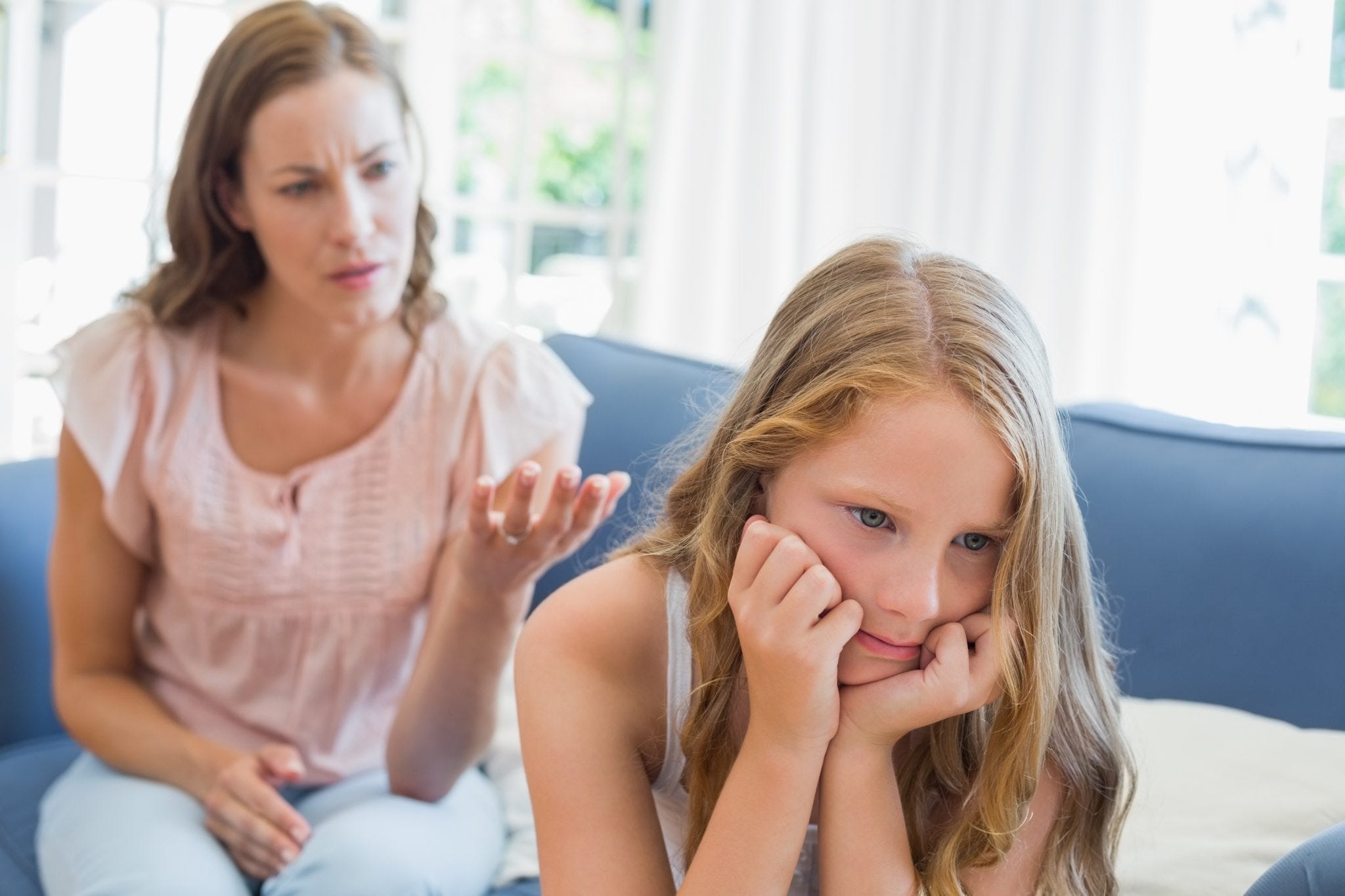
Most people and societies can generally agree that every child deserves to be loved, cared for, and protected. Research supports the argument that children are best cared for and protected by their parents (or guardians as the case may be.)
Proper parenting means raising a child or children from babyhood to adulthood, in an environment of nurturance, support, encouragement, direction, guidance, and love. Parenting is facilitating the upbringing of a child through all stages of development. Caring for and nurturing a child. Fulfilling the parental responsibilities that accompany the raising of a child. Facilitating the upbringing of a child through all stages of development. Caring for and nurturing a child. Fulfilling the parental responsibilities that accompany child-raising.
On the other hand, parental neglect means the failure in the exercise of parental responsibilities to provide for a child’s basic physical, intellectual, emotional, or social needs. Neglect is the ongoing failure to meet a child’s basic needs and is the most common form of child abuse. A child might be left hungry or dirty or without proper clothing, shelter, supervision, or healthcare. This can put children and young people in danger. And it can also have long-term effects on their physical and mental wellbeing.
Neglect can be a lot of different things, but broadly speaking, there are 4 types of neglect:
1. Physical neglect
A child’s basic needs, such as food, clothing, or shelter, are not met or they aren’t properly supervised or kept safe.
2. Educational neglect
A parent doesn’t ensure their child is given an education.
3. Emotional neglect
A child doesn’t get the nurture and stimulation they need. This could be through ignoring, humiliating, intimidating, or isolating them.
4. Medical neglect
A child isn’t given proper health care. This includes dental care and refusing or ignoring medical recommendations.
As sad and unfortunate as these four areas of neglect are, there is one more that should be added to the list as its impact of neglect is far-reaching and oftentimes ignored or not recognized: Parental infidelity.
The Rise of Parental Infidelity
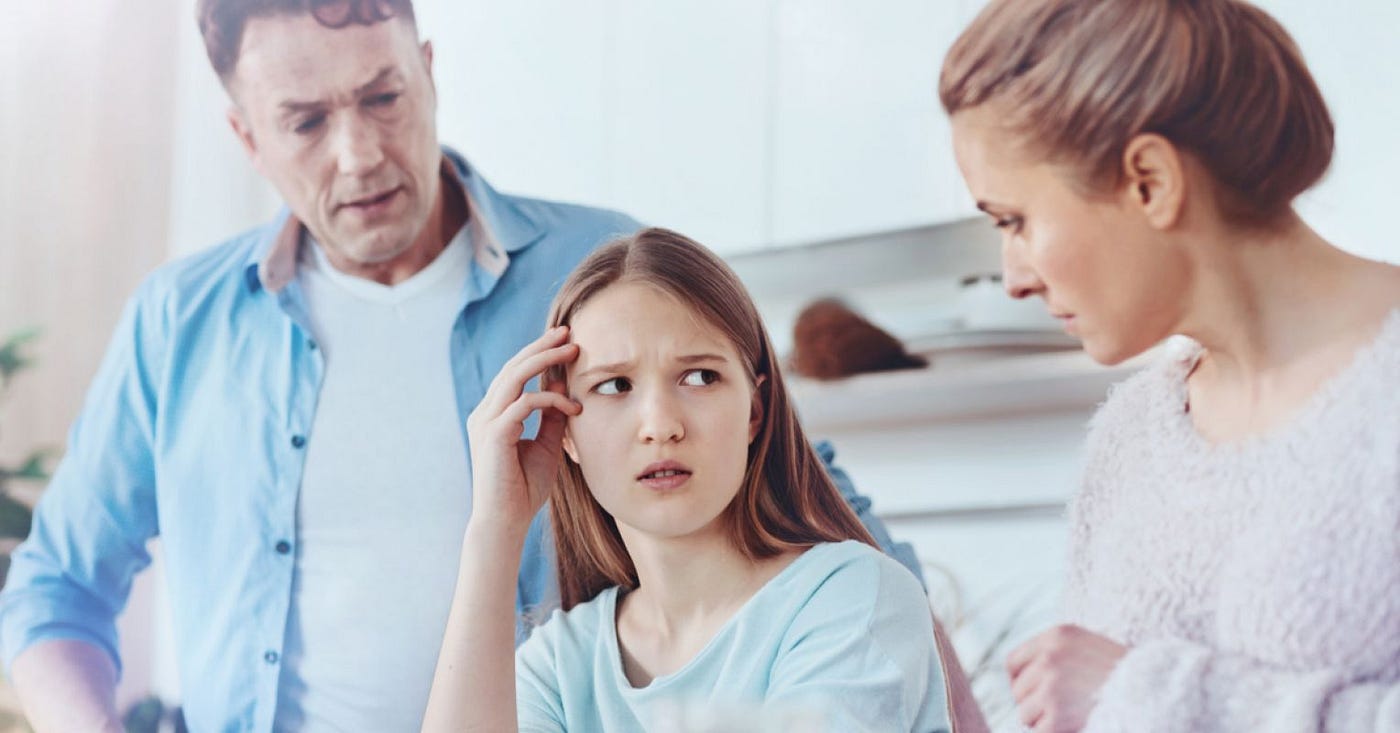
Parental infidelity can cause most children to question everything that they thought was real or true about their family. This can bring on depression and anxiety. “Infidelity can have a detrimental psychological effect on kids and lead to a dysfunctional family, which can then disrupt their life and hamper their potential,” Tatyana Dyachenko, a sexual and relationship therapist stated.
75% of children experience lingering feelings of betrayal toward their cheating parent, 80% say that infidelity shapes their outlook on romance and relationships, and 70% describe infidelity as affecting their general trust in others.
Statistically speaking, there is a 1 in 3 chance of a parent cheating or being cheated on in marriage. Some data and studies suggest it is even higher. Much higher in fact.
In one of the most comprehensive studies regarding sexual practices in the United States, 25 percent of men and 15 percent of women admitted to having sex with someone other than their spouse while they were married. While this study is instructive in many ways, it doesn’t address emotional infidelity, nor whether these spouses had children. As some have suggested, if emotional infidelity were considered, the rates could be as high as 70 percent for both genders.
Experts say children who learn about parental infidelity react similarly to children whose parents divorce, except the emotional responses to cheating are deeper and can have greater, longer-lasting impacts.
Clinicians say that in the past the impact of affairs and adultery on children was overlooked or possibly dismissed. However, there is growing interest in this field among clinicians today. This increased interest comes, in part, because of a shift in focus in therapy. This shift is on the “family as a unit” and how the actions of one affect the behavior of everybody in the family.
The Long-Term Effects of Parental Infidelity
When a parent is unfaithful, it can make children wonder what’s real — and what’s not. “When a parent is unfaithful, it can cause a child to question the stability they felt at home,” Dr. Cassandra LeClair, Ph.D., a relationship expert and author of “Being Whole: Healing from Trauma and Reclaiming My Voice” stated.
When affairs happen, children may feel unsure about who to trust, and more importantly, who to show their love towards. “They may feel a sense of betrayal and confusion about loyalty,” says Dr. LeClair. “If they have been taught to be honest and care about others’ feelings, they may question why their role models did not have to follow the same rules.” So when parents think, ‘My infidelity or adultery doesn’t involve my children. It has nothing to do with my children,’ they’re lying to themselves.
The long-term effects of parental infidelity can run much deeper than future relationship behavior (i.e., cheating or not cheating). According to clinical psychologist Ana Nogales, author of Parents Who Cheat: How Children and Adults Are Affected When Their Parents Are Unfaithful, growing up in a family with infidelity has a lasting impact on children in terms of how they view their romantic relationships and their ability to trust future partners.
Nogales’ research found that 75% of children experience lingering feelings of betrayal toward their cheating parent, 80% say that infidelity shapes their outlook on romance and relationships, and 70% describe infidelity as affecting their general trust in others. Let’s break this down into simple numbers — 3 out of 4 children experience lingering feelings of betrayal toward their cheating parent, 8 of 10 children say their parent’s infidelity shapes the way they think about romance and relationships, and 7 of 10 children say that their parent’s infidelity affects their trust of others. The research, and common sense for that matter, clearly show how infidelity and affairs are immeasurably damaging to families and children.
What happens when children affected by parental infidelity grow up and move on? Do they take the wounds of infidelity with them? If so, how does this impact their relationships and marriages? Unfortunately, they do. Studies show that children from cheating homes are twice as likely to be unfaithful. In the study, “Family Background and Propensity to Engage in Infidelity,” children of parents who cheated were more likely to cheat as adults, too.
Of children affected by infidelity, Dr. Frank Pittman stated that the children who have grown up the strongest are those who had the chance to ‘’deal with parental infidelity openly, as an error or a character flaw, rather than normal activity or an appropriate solution to a marital problem.”
The terrible trend of parental infidelity may be the most hidden and yet, have the most negative impact on our nations and societies’ future. Parental infidelity is not formally recognized as parental neglect but may eventually be as its impact is realized in our children and their futures. However, by then it may be too late.
Recovering From Infidelity
If you have experienced infidelity-induced trauma caused by the emotional and sexual betrayal of your spouse, there is hope! If you are a child affected by parental infidelity, there is hope! If you are a spouse who has betrayed the trust, love, and fidelity of your marriage, there is hope! We recommend that you seek support through professional counseling and therapy as well as through groups dedicated to supporting you through this traumatic journey. You are not alone and recovery and healing are possible!
Share Your Story
The CHADIE Foundation shares personal stories of spouses and children impacted by infidelity and affairs. If you have a story you would like to share and have published, please use the contact information below to share your story with The CHADIE Foundation. Our mission is to help educate everyone about the damage infidelity, affairs, and adultery cause families and how to minimize the impact.
About CHADIE Foundation
The CHADIE Foundation (Children are Harmed by Adultery, Divorce, Infidelity, and related Emotional trauma), helps spouses, partners, and children who have been negatively impacted by adultery, affairs, and infidelity. To learn more about CHADIE and how you can help, please email us at support@chadie.org or us at CHADIE.org.
 The CHADIE Foundation