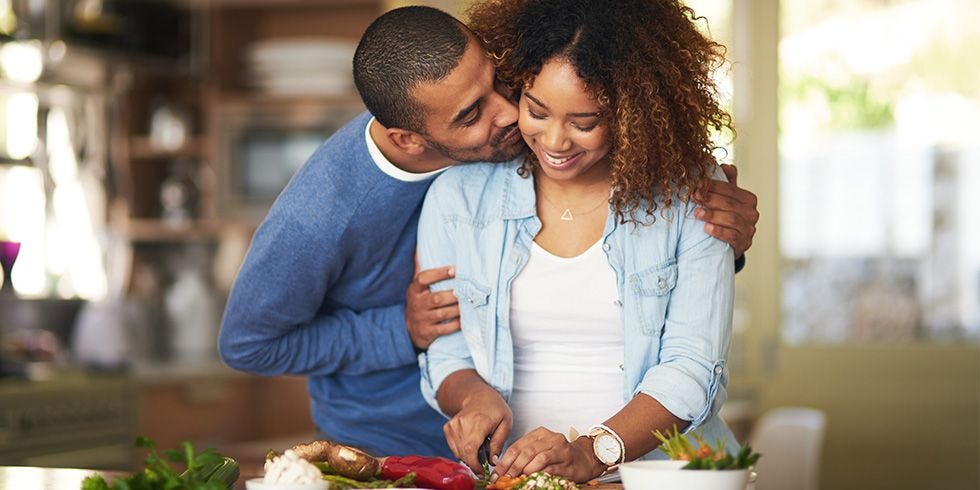
What if I told you if you were happily married you would live longer, have a lower chance of becoming depressed, experience fewer strokes and heart attacks, be less likely to have advanced cancer at the time of diagnosis, and be more likely to survive cancer for a longer period, and have a higher survival rate following a major operation, would it mean anything to you? Believe it or not, that is what recent research shows.
A happy marriage is a healthy life. Okay, that might be an overstatement. There is always more to a statement than the statement itself. That said, there is some recent compelling, and arguably positive, research suggesting married people enjoy better health than single people.
Of course, the research data doesn’t mean that just being married automatically provides these health benefits. The key here is “happy marriage” — not just “marriage”. People in stressful, unhappy marriages may not do as well as a single person who is surrounded by supportive and caring friends, family, and loved ones.
Given the growing body of evidence linking marriage with better health, it’s worth asking why such a connection might exist. Several researchers have explored this question and have outlined some of the contributing factors.
Are Married People Happier?
Are married people generally happier than single people? The answer to this question is, yes: married people appear to be happier than unmarried people. This also includes people who have never married. Ironically, marriage seems to make women happier than men.
But, in reality, this is a difficult relationship to sort through, and not only because happiness is a hard concept to measure. The larger issue is that people who are happy with their lives are also more likely to get married.
Some of the contributing factors seem to include:
- Immune function. Studies have found that people in happy relationships have stronger immune functions than those who are not. And, cortisol tends to be released in lower amounts in married people as compared with those who are single.
- Behavior improves with marriage. While not necessarily universal, married people are more likely to eat better, maintain healthier lifestyles, take fewer risks, and eat better, on average, compared with single people.
- Mental health is better when you’re married. Poor social support networks are linked with higher rates of depression, loneliness, and social isolation. These have been associated with poorer health outcomes and are typically more common among unmarried or single people.
The title of this article might have those who are not married feeling even more pressured to find a spouse to settle down and have their “happily and healthier ever after” story. While that is an admirable pursuit, it is important to note that studies often can only infer, or at best conclude, that there is an “association” or “link between” marriage and better health outcomes. Because the human experience is filled with countless variables, these studies cannot conclude that marriage is the reason for such benefits. Common sense however suggests that good marriages lead to good lives.
Key Takeaways
None of the evidence in support of these schools of thought or theories proves — or refutes — a health benefit to marriage. Where there is a health benefit to marriage is still unknown. But we should expect that researchers will continue to study the question.
I suggest as research efforts continue, in the future, we will have a better understanding of the health effects of social supporting factors, including marriage. Until then, a happy marriage can mean a happier and healthier life. It’s no guarantee of course but there seems to be evidence to support it being a contributing factor at the very least.
Recovering from Infidelity
If you have experienced infidelity-induced trauma caused by the emotional and sexual betrayal of your spouse, there is hope! If you are a child affected by parental infidelity, there is hope! If you are a spouse who has betrayed the trust, love, and fidelity of your marriage, there is hope! We recommend that you seek support through professional counseling and therapy as well as through groups dedicated to supporting you through this traumatic journey to recovery. You are not alone and recovery and healing are possible!
Share Your Story
The CHADIE Foundation shares personal stories of spouses and children impacted by infidelity and affairs. If you have a story you would like to share and have published, please use the contact information below to share your story with The CHADIE Foundation. Our mission is to help educate everyone about the damage infidelity, affairs, and adultery cause families and how to minimize the impact.
About the CHADIE Foundation
The CHADIE Foundation (Children are Harmed by Adultery, Divorce, Infidelity, and related Emotional trauma), helps spouses, partners, and children who adultery, affairs, and infidelity have negatively impacted. To learn more about CHADIE and how you can help, please email us at support@chadie.org or visit us at CHADIE.org.
 The CHADIE Foundation