
In the wake of COVID-19, we are seeing an increase in affairs and adultery. Many of us can readily point to family, friends, or colleagues that have been caught in or impacted by an affair. How severe and damaging this increasing trend is to families remains to be seen. Statistically speaking, there is a 1 in 3 chance of cheating or being cheated on in marriage. Some data suggests it is even higher.
In one of the most comprehensive studies regarding sexual practices in the United States, 25 percent of men and 15 percent of women admitted to having sex with someone other than their spouse while they were married.
While this study is insightful, it doesn’t address emotional infidelity, nor whether these spouses had children. As some researchers have suggested, if emotional infidelity were considered, the rates could be as high as 70 percent.
In Dr. Frank Pittman’s book, Private Lies: Infidelity and the Betrayal of Intimacy, he outlines nine defects that flaw a second marriage that begins as an affair. A second marriage that begins with infidelity is very likely heading to divorce within two years, according to Elizabeth Landers, who writes about marriage and family.
The very elements that create an exciting and intoxicating affair are the fire that consumes the relationship when it becomes a marriage. Such marriages begin on very weak foundations that eventually collapse under the strain of life. When the affair is at its peak, the “adultery partners” are blinded to the inevitability that the lustful romance consumes itself. While they imagine that they are the exceptions to an established pattern of human affairs — they are almost always wrong.
Some affairs may end up in marriage. Some that do end up in marriage may end in successful relationships enduring as healthy long-term marriages that last, but according to most experts, these are the exceptions that prove the rule.
Infidelity and Betrayal of Intimacy and Trust
While conclusive research and studies are still sparse on this matter, the probability of an affair ending in marriage is very, very low. Based on the data available it is between three and five percent. Of those that do end in marriage, most join the 75 percent of second marriages that fail which is significantly higher than first marriages. While fewer than 25 percent of adulterers (i.e. cheaters) leave a marriage for an affair partner most of those relationships are statistically extremely unlikely to endure. This research suggests that only 1% achieve stability and happiness. This is an alarming statistic especially given the impact they have on children and family members.
Most experts point to several reasons why affairs fail or end. The most common reasons include:
- Taboo and secret — affairs consume energy because they must be kept secret. They survive more on what each partner gets than what each invests in the relationship.
- Sacrifice exceeded benefit — because of the dynamics of a forbidden relationship, one or both partners come to realize he or she lost much more than he or she now shares. “As relates to sacrifice, often one will discover (or feel) that his or her sacrifice was much greater than what the other person had to sacrifice, and this can lead to resentment and disillusionment.” Paradoxically, sacrifice sometimes feeds the relationship until there is nothing left to feed the relationship.
- Betrayal and lies — the most obvious principles are that their marriage begins on a foundation of betrayal and lies, as is an affair, cannot easily become one of trust and loyalty, as is marriage.
Dr. Pittman’s nine defects in the dynamics of affairs that become marriages chart the trajectory of love as it arcs from a forbidden romance to an established marriage to a marital breakup.
These nine defects include:
- Stimulating unreality — While still married to others, the affair partners become immersed in “stimulating unreality,” but the second marriage illuminates reality. “Only after their marriage did the divorce become real enough to see that it was a horrible mistake. They were so caught up in the infatuation that they never got around to figuring out if what they were doing was sane.”
- Overwhelmed with guilt — The cheaters who wrecked a family (or two) and inflicted tremendous pain on innocent people may feel little to no guilt during the affair but become overwhelmed with guilt after they marry.
- Disparity in their sacrifice — Divorces drain both financially and emotionally. After affair partners marry, the new couple may feel a disparity in what had to be sacrificed to bring them together.
- Misaligned expectation — Unfaithful couples who marry may believe that the life after the marriage will be as good as life during the affair, and that “[t]he greater the sacrifices, the greater the expectations for the new marriage.” In short, “[t]he more people enjoy the battles involved in wrecking and escaping marriages, the less they are likely to enjoy the business as usual of the new marriage.”
- Foundation of Distrust — The unfaithful affair partners, develop a distrust of marriage and of the affair partner who is now a spouse. A marriage that begins on an untruth cannot have a trusting foundation.
- Betrayers Insulate Themselves — During the affair and the divorce, the unfaithful couple isolates and insulates themselves, and they retreat to a private little world “protected from the devastation that they have created, safe from anyone who tries to pull them apart.” In this regime, memories or even mention of the betrayed spouse can be difficult. Later, the now married couple may long to reconnect with these people; however, “[e]veryone involved is hurt by the betrayal and not as forgiving as they have expected. They often find that they only have each other and that can be very lonely.”
- Failure to Nurture Relationship — When the romance fades, as it does in most marriages, romantics do not understand that this is part of the growth of the marriage, and they do not know how to nurture “a deeper more meaningful relationship”; rather, “they believe that they have just fallen out of love.”
- Betrayal of Fantasies — During the affair and the divorce, the affair couple convinces each other that the defective marriage is the fault of the betrayed spouse. To acknowledge otherwise, now that the remarriage has taken place, seems a betrayal of “the rescue fantasies that fed the affair in the first place.”
- Jealousy and Insecurity — The absence of a shared history that nurtures a comforting familiarity with relationships that begin earlier in life makes talking about the past difficult. An affair that wrecked the first marriage makes it painful and embarrassing for both spouses to discuss the past because it may promote jealousy and insecurity. Affair partners who marry do not want to hear about the good qualities of the previous marriage and spouses, nor about any good times the former partners had. Trying to start over can be lonely and disheartening.
The Delusions Required to Achieve the 1% Club
According to Dr. Frank Pittman, author of Private Lies: Infidelity and the Betrayal of Intimacy and Elizabeth Landers, a second marriage that begins with infidelity will likely fail within two years. A second marriage that begins with infidelity probably will be heading to divorce within two years, according to Elizabeth Landers, who writes about marriage and family. Of course, there are no guarantees second marriages that begin as affairs will fail but the available research and data strongly support such outcomes.
Experts say children who learn about parental infidelity react similarly to children whose parents divorce, except the emotional responses to cheating are more profound and can have greater, longer-lasting impacts.
“(Infidelity) violates everything they know about their parents as people,” said Don-David Lusterman, a marriage and family clinical psychologist and author. “(Their parents) have told them to be good, tell the truth…and suddenly they discover that their parent is doing something way out of the promises they know that their mom and dad have made to each other.”
So, why do so many married people pursue happiness through infidelity and affairs? It’s quite simple. They are blinded by their selfish pursuits of self-gratification and the belief that they are an unfortunate victim seeking happiness. The irony is, in their pursuit of happiness they burn down the foundations of trust and fidelity which leads to pain and suffering for their families, kids, and eventually themselves.
As Jordan Peterson so appropriately puts it in his book, The 12 Rules for Life: An Antidote for Chaos, “You do not have a life with someone when you have an affair with them. You have an endless array of desserts… You see each other under the best possible conditions… An affair is not helpful, and people end up horribly hurt. Particularly children — and it is to them that we owe primary allegiance.”
Relationships that last are based on deep and mature love, which values responsibility. If one of you can’t own up to your mistakes, you’ll always be blaming someone or something else when things go wrong. If they do marry, time will tell if they will be the happy 1% that transition from an affair to a happy, long-term marriage.
What About the Children?
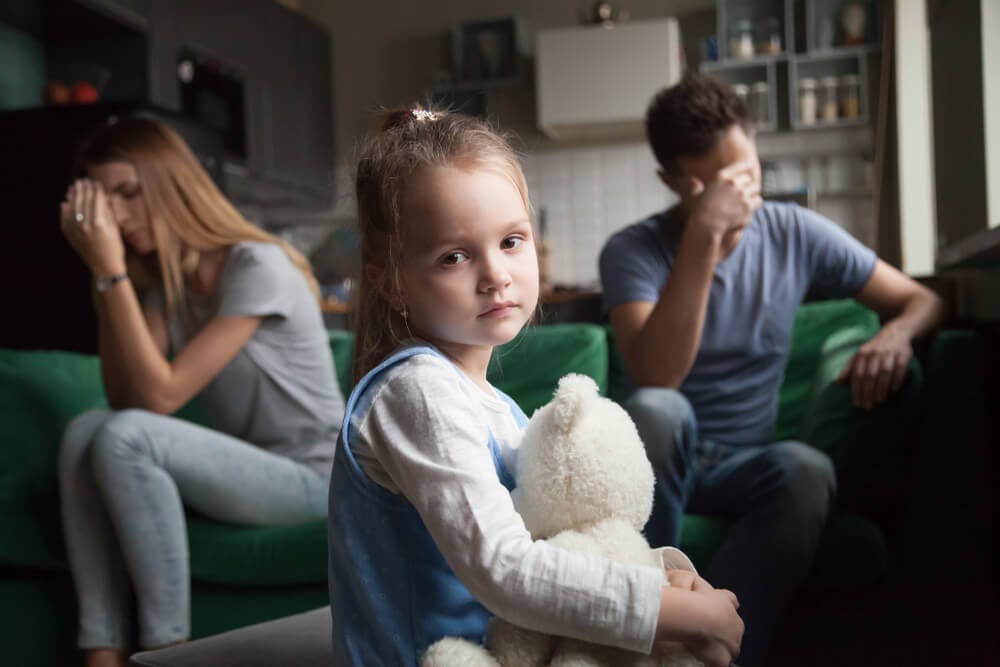
Too often, the focus is on the cheating couple. It’s not just about the couple; infidelity can cause lasting damage to children. In Ana Nogales’ book, Parents Who Cheat: How Children and Adults Are Affected When Their Parents Are Unfaithful, she writes:
“Regardless of their age, children whose parents have been unfaithful often react with intense feelings of anger, anxiety, guilt, shame, sadness, and confusion. They may act out, regress, or withdraw. They may even feel pressured to win back the love of the unfaithful parent or to become the caretaker of the betrayed parent.”
“With all these messages we’re giving to our children, our (future) society will be different,” said Ana Nogales, clinical psychologist, and author.” “What is important is to create awareness that cheating in the marriage or a serious relationship is not just something about the two people, but it may affect, at some point, the whole family. So when people think ‘This doesn’t involve my children. It has nothing to do with my children,’ they’re lying to themselves. When this is known, the children are seriously affected.”
In a survey Nogales conducted of more than 800 adult children whose parents had been unfaithful, 96 percent of respondents said cheating was not acceptable, even if their partner didn’t find out, yet 44.1 percent had been unfaithful in relationships themselves.
Nogales believes children are most dramatically affected by infidelity through the loss of trust — which doesn’t always happen with divorce. She notes:
“(A parent) is supposed to be the person a child can trust more than anyone else,” she said. “When one parent betrays another, it’s a supreme breach of trust. Most of the children felt that they were betrayed by the parent, too.”
“(Infidelity) is a terrible disillusion that says ‘One of my parents was profoundly dishonest to my other parent. And if they’re so dishonest with the parent, why would they be more honest with their kids?” he said. “You begin to question the foundations of your relationships.”
Recovering from Infidelity
If you have experienced infidelity-induced trauma caused by the emotional and sexual betrayal of your spouse, there is hope! If you are a child affected by parental infidelity, there is hope! If you are a spouse who has betrayed the trust, love, and fidelity of your marriage, there is hope! We recommend that you seek support through professional counseling and therapy as well as through groups dedicated to supporting you through this traumatic journey to recovery. You are not alone and recovery and healing are possible!
Share Your Story
The CHADIE Foundation shares personal stories of spouses and children impacted by infidelity and affairs. If you have a story you would like to share and have published, please use the contact information below to share your story with The CHADIE Foundation. Our mission is to help educate everyone about the damage infidelity, affairs, and adultery cause families and how to minimize the impact.
About CHADIE Foundation
The CHADIE Foundation (Children are Harmed by Adultery, Divorce, Infidelity, and related Emotional trauma), helps spouses, partners, and children negatively impacted by adultery, affairs, and infidelity. To learn more about CHADIE and how you can help, please email us at support@chadie.org or visit us at CHADIE.org.
 The CHADIE Foundation