
Surprisingly, statistics show that 56% of men and 34% of women who commit infidelity rate their marriages as happy or very happy. Why then do men and women in happy to very happy marriages break marriage covenants and vows in favor of marital infidelity? What do they have to gain by cheating on their spouse and children when they are happy in their marriage?
This data makes the reason people cheat more difficult to dissect and comprehend. To many, this data may seem quite baffling and illogical. Do unfaithful spouses seek infidelity out of boredom, complacency, or rebellion? Does the predictability of marriage present a cheating spouse with enough justification to be unfaithful? Why do spouses risk being unfaithful to a happy marriage?
It’s not an uncommon situation. A couple is happily married — they enjoy each other’s company, communicate well, and have a strong emotional connection. At first glance, their relationship seems like it is built on a strong foundation — and yet, it is mired by an affair. The situation doesn’t seem to make much sense. How can someone who says they value their spouse also be having an affair? The reality is, that the thoughts and feelings that drive someone toward infidelity aren’t so simple.

Infidelity Amongst Happy Spouses
Infidelity is a coping mechanism, almost like gambling, drinking, or other similar vices. In happy relationships, spouses might cheat not because they are dissatisfied with their spouse, but because they are dissatisfied with themselves. It’s easy for a spouse to get caught between the questions, “What do I want?” and “What does everyone else want from me?” If a spouse has spent their whole life doing everything they’re expected to do, the act of breaking free of those expectations can be more exciting and meaningful than the act of cheating itself.
When people are happy in their relationship, it’s less likely that the spouse practicing infidelity has fallen out of love with their spouse. Rather they’re in love with the free, risk-taking, adventurous person they become when they’re having their affair.
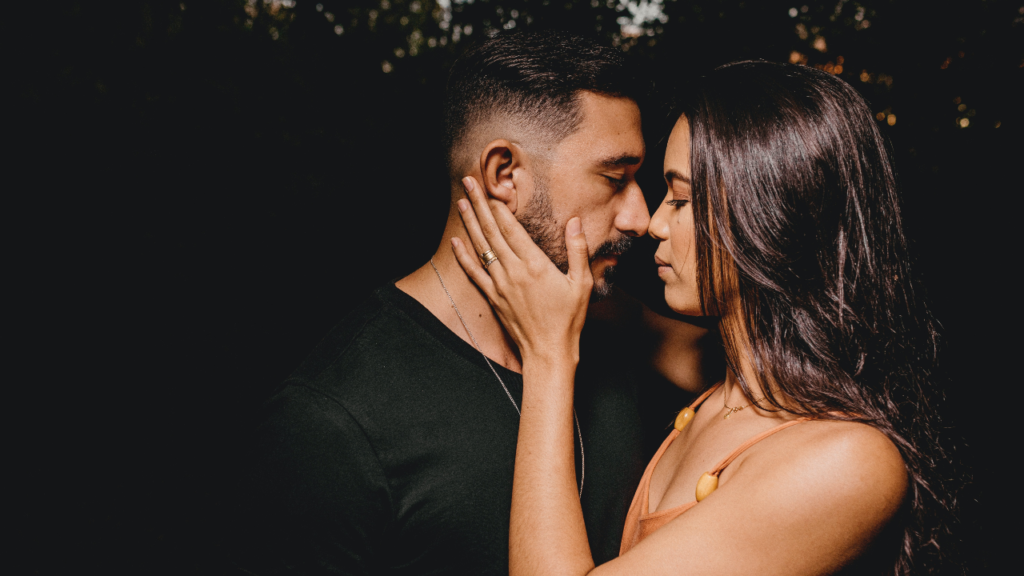
Types and Forms of Affairs
There are several types and forms of affairs. Just as there are several types and forms of affairs, the underlying reasons and motives for those affairs vary as well. Here are some of the different types of affairs-physical and non-physical:
- The Lust Affair. This affair is the most common and is mostly about sex. It can feel intense, but it’s also the quickest to burn out.
- The Revenge Affair. This affair deals with anger and resentment toward their spouse (or partner), and as a result, the affair is based on revenge.
- The Cyber Affair. Cyber affairs are kept secret and have an emotional and/or sexual undertone. With today’s society spending more and more time online, internet relationships are becoming more common. Several studies suggest that even though there is no in-person contact with an internet affair, it can be just as devastating as an affair with physical contact, triggering feelings of insecurity, anger, and jealousy.
- The Emotional Affair. This type of affair is solely based on an intimate and emotional connection with no sex involved. However, although there is no sexual physical contact, it is still an affair and damaging to the marriage.
- The Family Affair. An example of this type of affair would be between a man and his sister-in-law. It’s an affair within the family structure. This can be more damaging than other types of affairs because it can not only deteriorate the relationship between the spouses but between brother and brother, sister and sister, and father and mother, even long after the relationship has ended.
- “It’s Not Really an Affair” Affair. In this affair, one party is available but the other isn’t, and the available partner believes that the other will leave their partner or spouse, given enough time.
- Mind/Body Affair. Unlike having just a sexual affair or a purely emotional affair, this type of affair is both physical and emotional and is therefore among the top of the most dangerous and damaging.
While there are several types and forms of affairs, an affair is still an affair. All affairs have consequences and prices to pay. Some are significantly more costly than others but the price must be paid eventually.
While existing research doesn’t provide a definitive answer to why happy spouses still cheat, one thing is certain: it is difficult to recover from infidelity in a relationship and there are certain steps that both the betrayed spouse and the unfaithful spouse need to take if they want to repair their marriage or move on through divorce.
Happy marriages are not exempt from infidelity. Happy marriages are almost statistically as likely to be victims of infidelity as not.
Recovering from Infidelity
If you have experienced infidelity-induced trauma caused by the emotional and sexual betrayal of your spouse, there is hope! If you are a child affected by parental infidelity, there is hope! If you are a spouse who has betrayed the trust, love, and fidelity of your marriage, there is hope! We recommend that you seek support through professional counseling and therapy as well as through groups dedicated to supporting you through this traumatic journey to recovery. You are not alone and recovery and healing are possible!
Share Your Story
The CHADIE Foundation shares personal stories of spouses and children impacted by infidelity and affairs. If you have a story you would like to share and have published, please use the contact information below to share your story with The CHADIE Foundation. Our mission is to help educate everyone about the damage infidelity, affairs, and adultery cause families and how to minimize the impact.
About the CHADIE Foundation
The CHADIE Foundation (Children are Harmed by Adultery, Divorce, Infidelity, and related Emotional trauma), helps spouses, partners, and children who adultery, affairs, and infidelity have negatively impacted. To learn more about CHADIE and how you can help, please email us at support@chadie.org or visit us at CHADIE.org.
 The CHADIE Foundation