
It’s safe to say that most of us are familiar with the saying, “Once a cheater, always a cheater.” It may feel reassuring in its definitiveness, but is it true? Is someone who cheated on you once destined to cheat on you again? Conventional wisdom suggests that people who cheat are characterologically unable, or unwilling, to remain faithful. They are not a person who cheated, they are a cheater — and always will be by definition.
It can be incredibly disturbing and upsetting to discover that your spouse (or partner) has cheated on you. Being betrayed by a cheating spouse can turn your whole life upside down and inside out all at once. You thought your spouse was an honorable, faithful, and trustworthy person, and then you discover that they are not. This might then mean that your relationship, and your life, aren’t what you thought they were either. Maybe nothing is what you thought it was. Discovering a spouse’s infidelity can be one of the most upsetting and disrupting events a person will experience in their life.
Amid all the emotional upheaval, it is tempting to look for something solid to hold onto. Part of you may want to seek vengeance on your partner and part of you wants to hold them close, tell them you forgive them, and never let them go. At the same time, you may be furious at them for their betrayal — and at yourself for being fooled by their deceit. You may feel self-righteous but also ashamed. Most of all, you feel hurt.
All of this uncertainty and contradiction can be difficult. It can make you feel unsure of what to do. This is one of many reasons why simple and direct advice can be reassuring, whether it’s “once a cheater, always a cheater” or “stand by your spouse.” It’s easy for others to give simple advice when they aren’t facing the emotional trauma and complexity that you have to face as a cheated-on spouse.
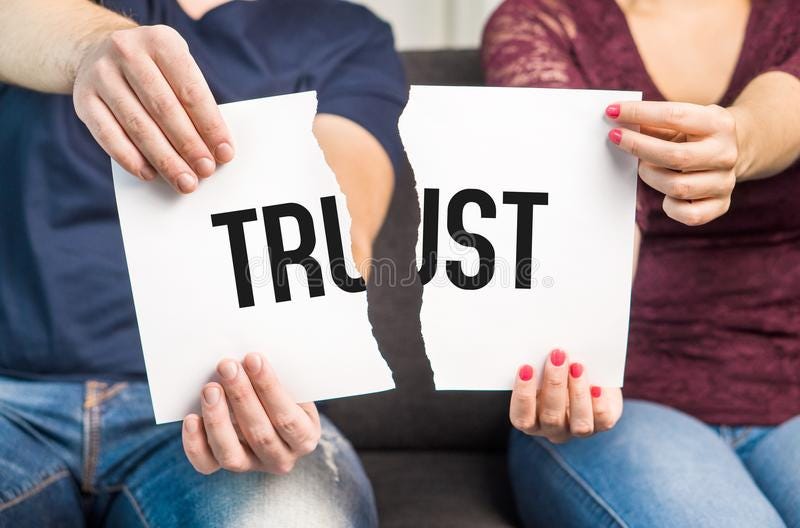
What Does Your Spouse’s Infidelity Reveal About Them?
What does this infidelity reveal about your partner and their ability to be faithful going forward? How they respond to the revelation of their infidelity and the aftermath that follows will reveal a lot about what you might expect from them in the future.
- Ownership — Can they own up to the choices they have made, as opposed to blaming you or others?
- Apologize — Are they able to empathize with your pain and genuinely apologize for causing it? Are they really sorry for violating their marriage vows, commitments, and betrayal of your trust? Are they expressing a willingness to make amends?
- Honesty — Are they honest with you about what they did?
- Betrayal of Children — If you have children, can they own up to their betrayal of their children and the damage their actions will have on them?
How they handle the fallout from the revelation of their infidelity may tell you more about how past behavior predicts future behavior. They cheated. They are a cheater. They may or may not be a cheater again.
What Does the Data Show About Future Risk of Infidelity?
Studies and research vary of course but some research projects that 30 to 60% of all married individuals in the U.S. will engage in infidelity at some point during their marriage. This translates into nearly 80% of all American marriages being impacted by cheating at some point.
In a study from the University of Denver, which was published in the Archives of Sexual Behavior, researchers had nearly 500 people answer questions about at least two different romantic relationships. Of the research participants, 44 percent reported having sex with someone outside of their current relationship during their study.
People who had cheated before were much more prone to unfaithfulness. A lot more. Those who cheated in their first relationship were three times more likely to cheat again. So it may not be that people are learning from their mistakes, instead, they may just be getting used to their bad behavior. If you do it once and come to terms with it as something you do, then it may just not seem so bad the next time that you do it.
Interestingly enough, the study finding is also backed up by past research. A 2016 study found that among people who had cheated in former relationships, 30 percent cheated on their current partners. That’s compared to only 13 percent of those who had never been unfaithful at all.
What about the cheater’s remorse or guilt? Most cheaters feel guilty about cheating on their spouses. In addition, they feel like they aren’t true to their own set of morals, even if their partner never finds out. They may feel like they can’t stop themselves, but they’re still tortured by what they’re doing. For many, conscience can serve as an important brake on infidelity and be an essential driver of learning from infidelity. (By contrast, cheaters with more sociopathic traits won’t feel much guilt for their actions which means they are more likely to take advantage of the next opportunity that presents itself.)
Many believe that the best predictor of future behavior is past behavior. (Note, the key word here is “predictor” which isn’t the same as a determinant.) Someone with a long history of infidelity, across multiple relationships, is more likely to repeat that past behavior. Either way, the science strongly suggests the odds of being cheated on by a cheater are very, very high.
These predictors are just one of several reasons why marriages that start as affairs fail. Statistically speaking, marriages that start as affairs are only successful about 1% of the time.
Recovering from Infidelity
If you have experienced infidelity-induced trauma caused by the emotional and sexual betrayal of your spouse, there is hope! If you are a child affected by parental infidelity, there is hope! If you are a spouse who has betrayed the trust, love, and fidelity of your marriage, there is hope! We recommend that you seek support through professional counseling and therapy as well as through groups dedicated to supporting you through this traumatic journey to recovery. You are not alone and recovery and healing are possible!
Share Your Story
The CHADIE Foundation shares personal stories of spouses and children impacted by infidelity and affairs. If you have a story you would like to share and have published, please use the contact information below to share your story with The CHADIE Foundation. Our mission is to help educate everyone about the damage infidelity, affairs, and adultery cause families and how to minimize the impact.
About the CHADIE Foundation
The CHADIE Foundation (Children are Harmed by Adultery, Divorce, Infidelity, and related Emotional trauma), helps spouses, partners, and children who adultery, affairs, and infidelity have negatively impacted. To learn more about CHADIE and how you can help, please email us at support@chadie.org or visit us at CHADIE.org.
 The CHADIE Foundation