
Over the last few decades, it has become clear that women are no longer the primary victims of marital affairs and adultery but, in increasing numbers, are often the perpetrators of such chaos and betrayal in marriages and families. The growth rate and data suggest before long women will initiate affairs and adulterous relations as frequently as men. While we may all be for more opportunities and equality for women, this isn’t a positive trend that society will be proud of.
Statistically speaking, there is a 1 in 3 chance of cheating or being cheated on in marriage. Some data now suggests it may even be higher. Much higher in fact.
In one of the most comprehensive studies regarding sexual practices in the United States, 25 percent of men and 15 percent of women admitted to having sex with someone other than their spouse while they were married. While this study is insightful, it doesn’t address emotional infidelity, nor whether these spouses had children. As some have suggested, if emotional infidelity were considered, the rates could be as high as 70 percent.

Women Are Increasingly Perpetrators of Affairs
There are several reasons why women are likely to catch up with men’s infidelity statistics:
Most women are working outside the home, which automatically increases the opportunity to meet a potential sexual partner and have an affair. Travel, late-night meetings, and many other work-related activities significantly increase the possibilities for affairs.
Societal messages to women reflect a more accepting attitude toward women’s affairs as illustrated by the generally positive light in which they are depicted in several popular books, plays, and movies. Most notably, in the movie The Bridges of Madison County, the TV series Desperate Housewives, Bernard Slade’s play, Same Time Next Year, and, it often seems, every other novel that is published.
Women use the Internet in increasing numbers, which opens endless possibilities to meet potential partners online and to have online or actual affairs.
Research on gender differences in infidelity shows that the first few years of marriage are a red zone. It reveals two distinct patterns in the timing of affairs. A married woman’s likelihood of straying is highest in the first five years and falls off gradually with time. (Men have two high-risk phases, one during the first five years of marriage and again, after the 20th year.)
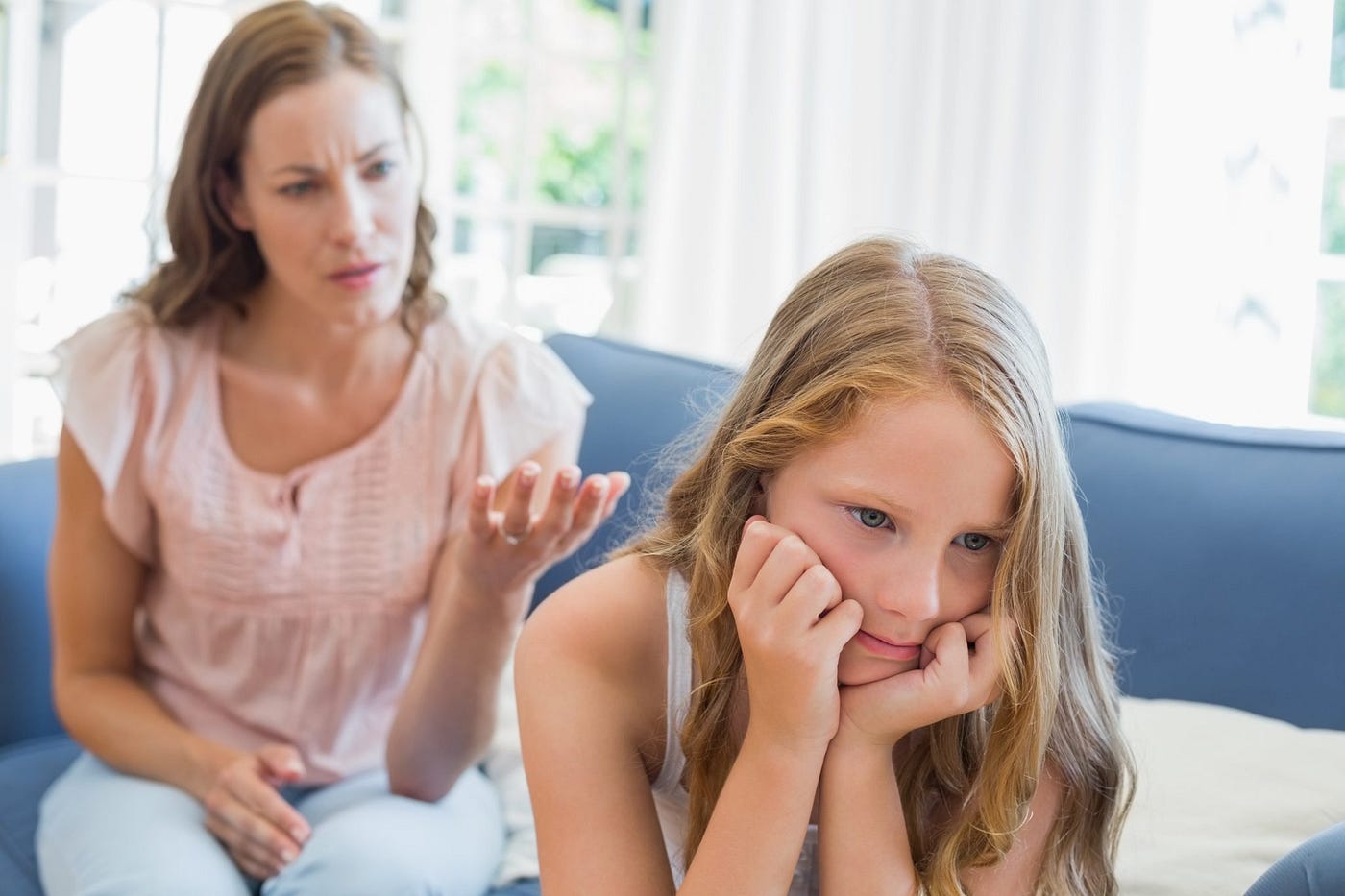
Children and the Impact of Infidelity, Betrayal, and Loss of Trust
While conclusive research and studies still seem sparse on this matter, the probability of an affair ending in marriage is very, very low — between three and five percent, and many join the 75 percent of second marriages that fail, a rate half again as high as first marriages. While fewer than 25 percent of adulterers (i.e. cheaters) leave a marriage for an affair partner, according to one source, most of those relationships are statistically extremely unlikely to endure.
This research suggests that only 1% achieve stability and happiness. This is a grim and telling statistic — especially when many negatively impact children and close family members. No matter which stat you use, the statistics for couples hoping their affairs will last forever aren’t promising. Only about 1% of affairs will end up intact and happily married.
Where once many societies were largely built on the strength, fidelity, and integrity of women, such days may soon be gone. In today’s society, women crave self-destructive affair behavior as much as men. The real shame isn’t just the shift from men to women but the impact it has on the children impacted by their affair.
Experts say children who learn about parental infidelity react similarly to children whose parents divorce, except the emotional responses to cheating are deeper and can have greater, longer-lasting impacts.
“(Infidelity) violates everything they know about their parents as people,” said Don-David Lusterman, a marriage and family clinical psychologist and author. “(Their parents) have told them to be good, tell the truth…and suddenly they discover that their parent is doing something way out of the promises they know that their mom and dad have made to each other.”
“Regardless of their age, children whose parents have been unfaithful often react with intense feelings of anger, anxiety, guilt, shame, sadness, and confusion. They may act out, regress, or withdraw. They may even feel pressured to win back the love of the unfaithful parent or to become the caretaker of the betrayed parent.”
“With all these messages we’re giving to our children, our (future) society will be different,” said Ana Nogales, clinical psychologist, and author. “What is important is to create awareness that cheating in the marriage or a serious relationship is not just something about the two people, but it may affect, at some point, the whole family. So when people think ‘This doesn’t involve my children. It has nothing to do with my children,’ they’re lying to themselves. When this is known, the children are seriously affected.”
As Dr. Jordan Peterson so eloquently puts it in his bestselling book, The 12 Rules for Life: An Antidote for Chaos, “You do not have a life with someone when you have an affair with them. You have an endless array of desserts… You see each other under the best possible conditions… An affair is not helpful, and people end up horribly hurt. Particularly children — and it is to them that we owe primary allegiance.”
Recovering From Infidelity
If you have experienced infidelity-induced trauma caused by the emotional and sexual betrayal of your spouse, there is hope! If you are a child affected by parental infidelity, there is hope! There is hope if you are a spouse who has betrayed your marriage’s trust, love, and fidelity! We recommend that you seek support through professional counseling and therapy and groups dedicated to supporting you through this traumatic journey. You are not alone and recovery and healing are possible!
Share Your Story
The CHADIE Foundation shares personal stories of spouses and children impacted by infidelity and affairs. If you have a story you want to share and have published, please use the contact information below to share your story with The CHADIE Foundation. Our mission is to help educate everyone about the damage infidelity, affairs, and adultery cause families and how to minimize the impact.
About CHADIE Foundation
The CHADIE Foundation (Children are Harmed by Adultery, Divorce, Infidelity, and related Emotional trauma), helps spouses, partners, and children who adultery, affairs, and infidelity have negatively impacted. To learn more about CHADIE and how you can help, please email us at support@chadie.org or visit us at CHADIE.org.
 The CHADIE Foundation