Nearly half of Americans think the country’s moral values are poor, and almost three-quarters believe conditions are only getting worse, according to a Gallup study. One of the key factors they are concerned about is how more people, with and without children, are cohabiting or remaining single without exchanging formal marriage vows.
For those willing to make the marriage commitment, it’s hard to believe they enter the marriage with two ways of thinking:
- I am marrying my spouse for this life (and possibly beyond)… or
- I may cheat on my spouse… or my spouse might cheat on me
The first way of thinking is unfortunately becoming less of a reality for marriages. Why then do so many jump into infidelity and betrayal? Is it just an unavoidable reality of men and women and hormones? Is marriage too hard for too many? Do married adults simply lack enough self-control and commitment to remain faithful to their vows, commitment, and love?
When one marries and makes marriage vows when they covenant with their Creator and spouse to be faithful, honorable, honest, and committed, do they somehow interpret the marriage vows differently than the way are intended?
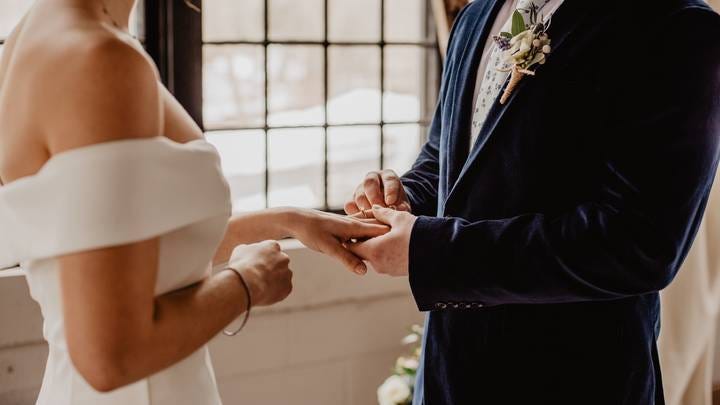
“I William, take you Adalie, to be my wedded wife. To have and to hold, from this day forward, for better, for worse, for richer, for poorer, in sickness or health, to love and to cherish till death do us part. And hereto I pledge you my faithfulness.”
“I love you Adalie as I love no other. All that I am I share with you. I take you to be my wife through health and sickness, through plenty and want, through joy and sorrow, now and forever.”
“Actually, scratch all of that, Adalie. Let’s just see if I can stay committed and porn free or not. If not, no harm no foul.”

Fidelity in Relationships and Marriage is Declining
Some research projects that 30 to 60% of all married individuals in the U.S. will engage in infidelity at some point during their marriage. This translates into nearly 80% of all American marriages being impacted by cheating.
According to Dr. Frank Pittman, author of Private Lies: Infidelity and the Betrayal of Intimacy and Elizabeth Landers, a second marriage that begins with infidelity is likely to fail within two years. Of course, there are no guarantees second marriages that begin as affairs will fail but the available research and data strongly support such outcomes.
Why then do so many married people pursue happiness through infidelity and affairs? Typically, they are blinded by their pursuit of self-gratification and the belief that they are an unfortunate victim seeking happiness. The irony is, in their pursuit of happiness they destroy their lives as they burn down the foundations of trust and fidelity which leads to pain and suffering for their families, children, and eventually themselves.

Marriages that Begin as Affairs are More Likely to End by Affairs
In a study published in the Archives of Sexual Behavior, researchers had nearly 500 people (68 percent of whom were women) answer questions about at least two different romantic relationships. Of the research participants, 44 percent reported having sex with someone outside of their current relationship during their study.
People who had cheated before were much more prone to infidelity and unfaithfulness. A lot more likely. Those who cheated in their first relationship were three times (3x) more likely to cheat again.
Many believe that the best predictor of future behavior is past behavior. Someone with a long history of infidelity, across multiple relationships, is more likely to repeat that past behavior. Either way, science strongly suggests the odds of being cheated on by a cheater are very high.

Choosing Fidelity Over Infidelity
Marriage was once revered and respected as an institution where a couple expressed complete fidelity to each other and their children — through the good and bad of life and love. Marriage fidelity was an outward expression of an inward commitment. Unfortunately, it’s no longer the case now as it was then. Marriage represented the ultimate commitment of fidelity to one’s self, spouse, and children.
When you get married you make covenants and vows with your spouse to honor them, support them, and commit to total fidelity with them. Your marriage represents the greatest potential for complete and total commitment to another human being — your spouse.
There are temptations and opportunities all around you for flirting with infidelity and adultery. But, let’s be honest, if you want to be unfaithful you don’t have to go far in today’s society. Being unfaithful is easy. Infidelity is easy. Adultery is easy. The consequences of being unfaithful, infidelity, and adultery aren’t though.
Infidelity, the act or fact of having a romantic or sexual relationship with someone other than one’s husband, wife, or partner, is easy. Anyone can choose to cheat.
Fidelity requires integrity, honor, and commitment. Integrity is the quality of being honest and having strong moral principles; and moral uprightness. Honor is adherence to what is right or to a conventional standard of conduct. Commitment is the state or quality of being dedicated to a cause, activity, etc. All of these are needed in a marriage built on fidelity.
Research and studies suggest the probability of an affair ending in marriage is very, very low — between three and five percent, and many join the 75 percent of second marriages that fail, a rate half again as high as first marriages. While fewer than 25 percent of adulterers (i.e. cheaters) leave a marriage for an affair partner, according to one source, most of those relationships are statistically extremely unlikely to endure. This research suggests that only 1% achieve stability and happiness. This is a grim statistic, to say the least especially when many negatively impact children and close family members. No matter which stat you use, that’s a grim statistic for couples hoping their affairs will last forever. Essentially, about 1% of affairs will end up intact and happily married.
Relationships that last are based on mature love. Mature love only exists when fidelity is present.
Why Marry Then?
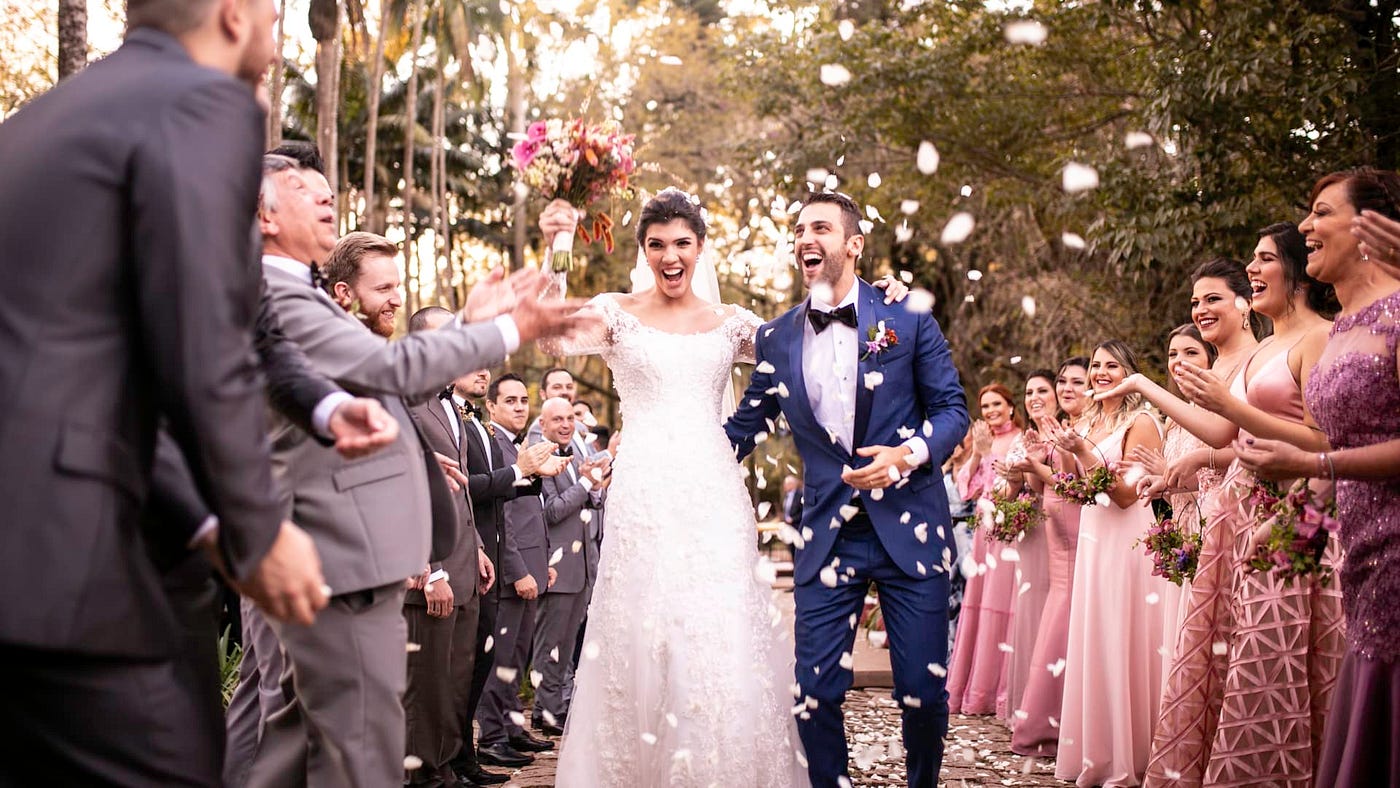
Our society still flourishes and recognizes the importance of marriage and puts conditions in places and situations that ultimately safeguard the union of a family by law and religion. Society views marriage as an important pillar through which the support system is created. It is a structure that impacts society’s societal, political, and cultural parts. Marriage allows access to love, care, and understanding of common activities, beliefs, morals, and values.
Marriage is not just a legal union. It is a physical, spiritual, and emotional alliance as you work together for the benefit of your family.
If you truly love someone, can you imagine your future without them? Don’t you dream of building a family with your partner and binding it with marriage? Doesn’t marriage give you both the commitment you need to be 100% faithful to each other?
In the end, the odds and stats mean nothing. Your marriage is yours as is your commitment to fidelity in your marriage. Marriage isn’t easy but it is as happy, strong, and binding as you both make it.
Recovering from Infidelity
If you have experienced infidelity-induced trauma caused by the emotional and sexual betrayal of your spouse, there is hope! If you are a child affected by parental infidelity, there is hope! If you are a spouse who has betrayed the trust, love, and fidelity of your marriage, there is hope! We recommend that you seek support through professional counseling and therapy as well as through groups dedicated to supporting you through this traumatic journey to recovery. You are not alone and recovery and healing are possible!
Share Your Story
The CHADIE Foundation shares personal stories of spouses and children impacted by infidelity and affairs. If you have a story you would like to share and have published, please use the contact information below to share your story with The CHADIE Foundation. Our mission is to help educate everyone about the damage infidelity, affairs, and adultery cause families and how to minimize the impact.
About the CHADIE Foundation
The CHADIE Foundation (Children are Harmed by Adultery, Divorce, Infidelity, and related Emotional trauma), helps spouses, partners, and children who adultery, affairs, and infidelity have negatively impacted. To learn more about CHADIE and how you can help, please email us at support@chadie.org or visit us at CHADIE.org.
 The CHADIE Foundation