(The following is a contributed article obtained through an interview.)
It’s hard to imagine the pain of losing a spouse and yet it happens every day. The death of a spouse is one of the most stressful and traumatic events you can experience in life. Especially if their death isn’t a death of natural causes.
My wife had been on a downward spiral in her mid-thirties and into her forties. She had lost her way along the busy path of parenting. Our lives were busy and oftentimes stressful. We had a few children, attended church regularly, served in our community, and donated time and money to charitable efforts around the world.
We were not wealthy but lived in the top 5–10% of the standard of living in the USA. We had a good life and yet my wife was discontented. She regretted her life sacrifices to be a wife and mother. She lamented that life didn’t turn out the way she expected it to and blamed her parents, me, and our children for her plight.
During this time, her coping mechanism was to run away from reality by immersing herself in church service, community service, extended family events, travel, and sports. Over time, her running away efforts proved fruitless and she turned her energies toward blaming me and our children for her discontent and spiraling self-esteem.
She became quite proficient at blaming and gaslighting. She insisted I seek therapy as well as some of our children. We entered therapy but our deficiencies were not to blame for her mental and emotional decline.
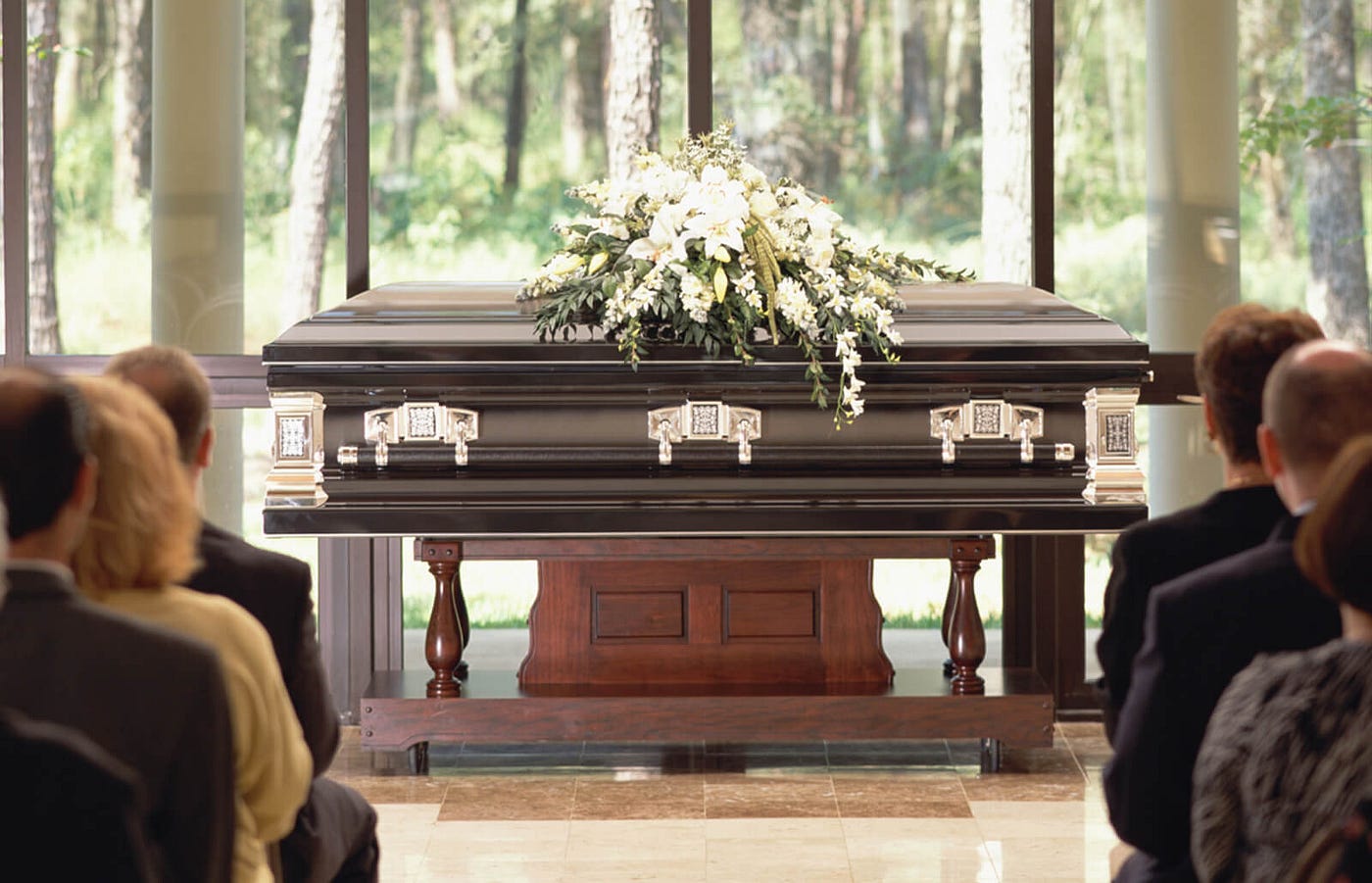
After a few years of her spiraling downward, she died. Not physiologically. It’s hard to explain but who she was simply died or disappeared. She was present physically but mentally and emotionally she was gone. Some months after her silent death, I learned she had started an affair with a married man who seemed to have led himself down the same downward spiral.
Ironically, they found each other through morning exercise and common Christian faith-based activity. Both were dead inside but found a ‘spark’ in an adulterous affair to reignite their souls. For a time, it seemed like she was ‘reborn’ through her infidelity. She acted like a young, immature teenager. She spent her time purchasing youthful clothing, and makeup, suntanning, visiting beauty salons frequently, dieting, and more. This lasted for several months during our divorce.
Not long into her affair, she started going to a therapist a few times a week to help her reconcile who she had become, and her betrayal of herself, me, and our children. She became increasingly unstable with irrational and violent mood swings during this period.
Now, as her ex-husband, when I look back, I mourn the loss of a once-good wife and mother. I mourn her ‘emotional’ and ‘moral’ decline and eventual death. Our children have also since told me they miss her too but they acknowledge the mother they knew then will never come back. The mother they have today is a very different mother than the one they once knew and loved.
Some Final Thoughts
One of the hardest things in a marriage is recognizing that you can’t save your spouse no matter how much you want to. You can be loving, kind, and supportive but beyond that, it is really up to them to anchor themselves to weather their storms. There are decisions to be made in life that either build you up or tear you down. When we blame others, covet what they have, or excuse ourselves from responsibility we risk surrendering ourselves to despair and resentment. Seeking professional help and grounding oneself in healthy living practices is important to navigate through the difficult times of being a parent and when reconciling the sacrifices being a parent requires.
If you or a loved one need professional help or support, the American Psychological Association provides the following consolidated resources to help. You can also contact 988 Lifeline for free and confidential support. You may also check with your healthcare provider to see what services are covered by your insurance.
Recovering From Infidelity
If you have experienced infidelity-induced trauma caused by the emotional and sexual betrayal of your spouse, there is hope! If you are a child affected by parental infidelity, there is hope! If you are a spouse who has betrayed the trust, love, and fidelity of your marriage, there is hope! We recommend that you seek support through professional counseling and therapy as well as through groups dedicated to supporting you through this traumatic journey. You are not alone and recovery and healing are possible!
Share Your Story
The CHADIE Foundation shares personal stories of spouses and children impacted by infidelity and affairs. If you have a story you would like to share and have published, please use the contact information below to share your story with The CHADIE Foundation. Our mission is to help educate everyone about the damage infidelity, affairs, and adultery cause families and how to minimize the impact.
About CHADIE Foundation
The CHADIE Foundation (Children are Harmed by Adultery, Divorce, Infidelity, and related Emotional trauma), helps spouses, partners, and children who adultery, affairs, and infidelity have negatively impacted. To learn more about CHADIE and how you can help, please email us at support@chadie.org or visit us at CHADIE.org.
 The CHADIE Foundation