Understanding and assessing trust and risk of repeated cheating in marriage and relationships
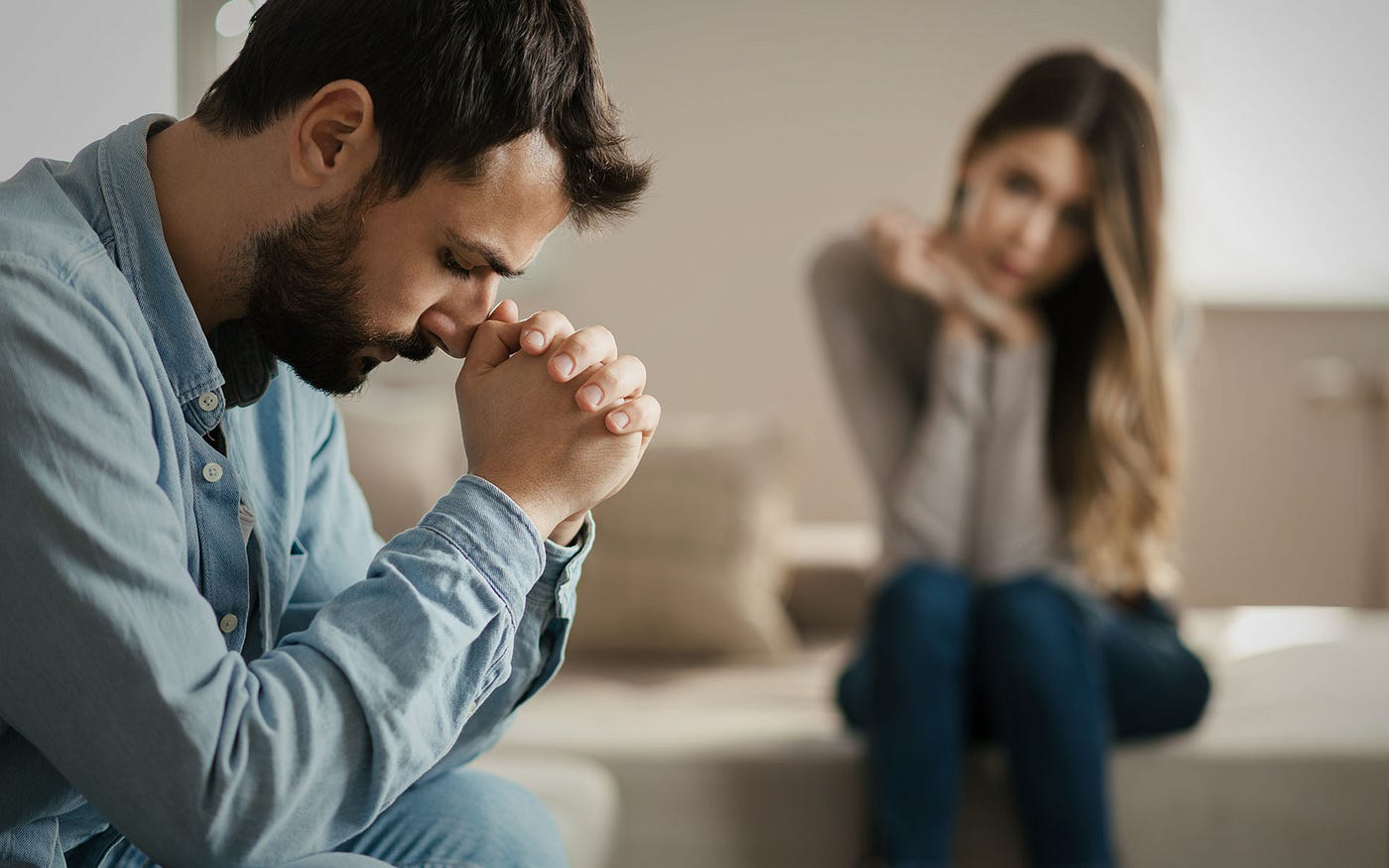
Too many relationships are plagued by cheating and infidelity. Increasingly, couples impacted by infidelity and cheating must grapple with whether or not they can ever trust their marriage spouse or partner again. For those who must grapple with assessing whether they can trust their spouse again, how can they determine if their cheating spouse is repentant and remorseful?
The following questionnaire is synthesized based on widely recognized principles from relationship psychology, infidelity recovery frameworks, and clinical observations commonly discussed in academic and professional literature. It is designed to help individuals assess whether their spouse is genuinely remorseful, repentant, and committed to rebuilding trust or if there are indicators of a higher risk of repeated infidelity. This questionnaire focuses on key behaviors, attitudes, and actions that typically signify either sincerity or risk.
Section 1: Immediate Reactions to Being Caught
1. How did your spouse respond when their cheating was discovered?
- Openly admitted and apologized
- Denied or minimized the behavior
- Became defensive or shifted blame to you or others
2. Did your spouse willingly provide the full truth about their infidelity?
- Yes, openly and without being asked repeatedly
- Partially, only when confronted with evidence
- No, they withheld details or continued to lie
3. Did your spouse show genuine remorse (e.g., crying, expressing guilt, or regret) without prompting?
- Yes
- Somewhat
- No
Section 2: Accountability and Transparency
1. Has your spouse taken responsibility for their actions without blaming you or external factors?
- Yes, completely
- Partially
- No
2. Is your spouse willing to provide transparency in their daily life (e.g., access to phone, email, social media, location sharing)?
- Yes, willingly and consistently
- Yes, but reluctantly or with conditions
- No
3. Has your spouse agreed to counseling (individual or couples therapy)?
- Yes, eagerly
- Yes, but reluctantly
- No
4. Is your spouse proactive in discussing boundaries, rebuilding trust, or creating safeguards to prevent future infidelity?
- Yes
- Occasionally
- No
Section 3: Long-Term Behavioral Changes
1. Have you noticed significant and sustained changes in your spouse’s behavior (e.g., becoming more attentive, communicative, or emotionally available)?
- Yes, consistently over time
- Yes, but inconsistently
- No
2. Does your spouse avoid people, situations, or environments associated with the cheating incident?
- Yes
- Somewhat
- No
3. Is your spouse more open and honest about their emotions, activities, and whereabouts than before the infidelity?
- Yes
- Sometimes
- No
Section 4: Emotional Support and Reconnection
1. Does your spouse acknowledge and validate the pain their actions have caused you?
- Always
- Sometimes
- Rarely or never
2. Does your spouse actively try to comfort or support you when you express feelings of hurt or insecurity about the infidelity?
- Yes, consistently
- Sometimes
- No
3. Does your spouse show a renewed commitment to emotional and physical intimacy with you?
- Yes
- Somewhat
- No
Section 5: Risk Factors for Repeated Infidelity
1. Does your spouse have a history of infidelity in past relationships?
- No
- Yes, but they appear to have addressed it
- Yes, and there’s little evidence they’ve addressed it
2. Does your spouse have any ongoing connections (e.g., friendships, work relationships) with the affair partner?
- No
- Yes, but with clear boundaries
- Yes, and without clear boundaries
3. Does your spouse exhibit behaviors associated with high-risk personality traits (e.g., narcissism, impulsiveness, chronic dishonesty)?
- No
- Occasionally
- Yes
4. Do you feel your spouse is more concerned about the consequences of being caught than about the harm caused to you?
- No
- Somewhat
- Yes
Section 6: Your Feelings and Observations
1. Do you feel your spouse is genuinely committed to rebuilding your relationship?
- Yes
- Somewhat
- No
2. Do you feel emotionally safe and respected in the relationship now?
- Yes
- Somewhat
- No
3. Do you observe a genuine shift in their priorities toward valuing your relationship more than before?
- Yes
- Somewhat
- No
Scoring and Interpretation
Assign the following point values to the answers:
- Yes/Always = 2 points
- Somewhat/Occasionally = 1 point
- No/Never = 0 points
Total your score and use the following guide:
- 30–40 points: Strong evidence of remorse and low risk of repeated infidelity. Your spouse seems committed to change.
- 20–29 points: Mixed signals. Your spouse shows some remorse but may not yet be fully committed or trustworthy.
- Below 20 points: High risk of repeated infidelity. Your spouse’s actions and attitudes indicate a lack of remorse or commitment to change.
This questionnaire is a starting point for reflection and discussion. Consider using it alongside professional guidance to navigate trust rebuilding effectively.
Background
The questionnaire for assessing whether a spouse is truly remorseful and unlikely to repeat infidelity is informed by established research on rebuilding trust after betrayal. This process often involves structured frameworks like the Gottman Trust Revival Method, which consists of three phases: Atonement, Attunement, and Attachment. Here are key points and references from trusted sources:
- Honesty and Transparency: A remorseful partner should demonstrate total transparency, sharing all details about the affair and answering questions fully. They must eliminate secrecy, granting open access to devices and accounts to rebuild trust. This aligns with advice from the Gottman Institute and other relationship experts, who emphasize that concealing information perpetuates distrust.
- Validation of Pain: The unfaithful partner must actively validate the betrayed partner’s emotions, acknowledging their hurt without defensiveness. This involves active listening and empathy, critical steps in the Atonement phase.
- Behavioral Changes: Consistent, observable behavior changes signal a commitment to rebuilding trust. Examples include cutting off contact with affair partners, avoiding situations that could lead to temptation, and seeking professional help to address personal or relational vulnerabilities.
- Commitment to Accountability: Weekly check-ins or “State of the Union” meetings allow both partners to assess progress and air unresolved concerns constructively. These sessions focus on what each partner needs moving forward rather than revisiting past grievances.
- Seeking Therapy: Both partners may benefit from therapy to navigate the emotional and psychological fallout of infidelity. Methods like Emotionally Focused Therapy (EFT) complement the Gottman approach, providing tools for managing triggers and rebuilding emotional intimacy.
- Understanding Motivations: Delving into why the affair occurred is important but should occur after the initial stages of recovery. This exploration ensures deeper relational work to prevent future betrayals.
These steps reflect evidence-based strategies for healing and rebuilding trust after infidelity, supported by researchers like Drs. John and Julie Gottman.
References
- Gottman Institute — Research on the importance of communication, accountability, and transparency in recovering from infidelity. The Gottman Trust Revival Method is a framework that involves the Atonement, Attunement, and Attachment phases, each focusing on critical steps like full disclosure and emotional repair.
Source: Gottman.com - Shirley Glass — “Not Just Friends” (2003): Provides detailed guidance on how to navigate trust rebuilding after an affair, emphasizing the need for full disclosure and ending connections with affair partners.
Source: Glass, S. (2003). Not Just Friends: Rebuilding Trust and Recovering Your Sanity After Infidelity. Free Press. - Esther Perel — “The State of Affairs” (2017): Explores the dynamics of infidelity, focusing on emotional transparency, healing, and the complexities of rebuilding relationships.
Source: Perel, E. (2017). The State of Affairs: Rethinking Infidelity. HarperCollins. - Douglas Snyder, Ph.D., and Therapy After Infidelity: Emphasizes the need for sustained behavioral changes and emotional repair in infidelity recovery, including professional therapy to address root causes of betrayal.
Source: Snyder, D. (2008). Therapy After Infidelity. Journal of Couple and Relationship Therapy, 7(4), 32–42. - Janis Abrahms Spring — “After the Affair” (2001): Focuses on understanding the psychological impact of infidelity and practical steps for both partners to move forward, including communication and rebuilding intimacy.
Source: Spring, J. A. (2001). After the Affair: Healing the Pain and Rebuilding Trust When a Partner Has Been Unfaithful. HarperCollins.
These sources collectively form the basis for understanding how to rebuild trust and identify risk factors for future infidelity. They offer tools and strategies that can guide couples through this challenging process.
Recovering From Infidelity
If you have experienced infidelity-induced trauma caused by the emotional and sexual betrayal of your spouse, there is hope! If you are a child affected by parental infidelity, there is hope! If you are a spouse who has betrayed your marriage’s trust, love, and fidelity, there is hope! We recommend that you seek support through professional counseling and therapy as well as through groups dedicated to supporting you through this traumatic journey. You are not alone and recovery and healing are possible!
Share Your Story
The CHADIE Foundation shares personal stories of spouses and children impacted by infidelity and affairs. If you have a story you would like to share and have published, please use the contact information below to share your story with The CHADIE Foundation. Our mission is to help educate everyone about the damage infidelity, affairs, and adultery cause families and how to minimize the impact.
About CHADIE Foundation
The CHADIE Foundation (Children are Harmed by Adultery, Divorce, Infidelity, and related Emotional trauma), helps spouses, partners, and children who adultery, affairs, and infidelity have negatively impacted. To learn more about CHADIE and how you can help, please email us at support@chadie.org or visit us at CHADIE.org.
 The CHADIE Foundation