How it may impact microbiome, biological, and psychological health

When a partner engages in intimate relationships with others, the implications for the betrayed spouse can span emotional, psychological, and potentially biological domains. Some effects are well documented; others remain speculative and should be described as such.
Increased Risk of STIs and Health Concerns
When one partner has multiple sexual contacts, the risk of sexually transmitted infections (STIs) increases. The primary (betrayed) spouse may face elevated health risks if exposed to infections that the unfaithful partner brings back to the relationship.
Microbiome Shifts and Intimate Partner Influence
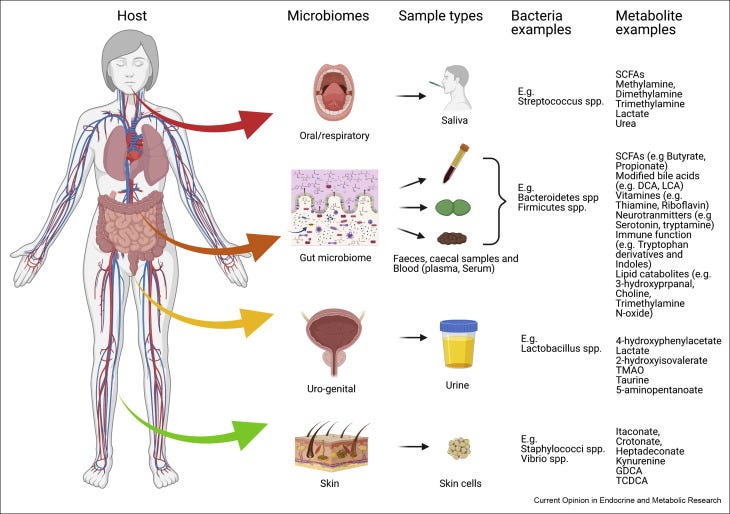
Intimate relationships, cohabitation, and shared lifestyle often lead to microbiome similarities between partners — for example, gut, skin, and oral microbiota.
It is therefore plausible that if a cheating partner acquires novel microbes from other sexual contacts and then returns to intimacy with the primary partner, this could alter the betrayed spouse’s microbial exposures.
However, there is no direct clinical research that confirms this scenario causes meaningful health outcomes in the betrayed spouse.
Because intimate partners often share microbes and lifestyle factors, it is plausible that novel exposures through a partner’s extra-marital contacts may alter microbiome balance in the betrayed spouse. However, direct evidence in the context of infidelity is lacking.
Emotional and Psychological Trust Breach
Infidelity strongly undermines trust, security, and attachment in a relationship. This is well supported by psychological research.
The betrayed spouse may feel devalued, manipulated, and emotionally distressed, and this can carry long-term effects on mental well-being.
Self-Image, Self-Esteem, and Mental Health
Knowing that one’s partner is sexually involved with others often triggers intense feelings of inadequacy, lowered self-esteem, and may lead to anxiety or depression. This is well documented.
Emotional Trauma and Attachment Stress
For many betrayed spouses, infidelity can constitute a form of trauma. Research suggests that between 30% and 60% of betrayed individuals report symptoms akin to post-traumatic stress, anxiety, or depression.
The mixing of attachment (through prior intimacy) and betrayal can lead to internal confusion, cycles of guilt, resentment, and difficulty letting go. The role of bonding hormones (e.g., oxytocin) may complicate these dynamics, although the specific effects in infidelity contexts are theoretical rather than empirically proven.
Trust, Vulnerability, and Future Relationships
A betrayal of trust through sexual infidelity often leaves the betrayed spouse more vulnerable, less willing or able to trust future partners, and may impact their readiness for intimacy and relational safety. This is supported by relationship/psychological literature.
Potential Long-Term Physical Health Impacts
Chronic emotional stress, trauma, and relational injury are linked to several physical health consequences: weakened immunity, higher cardiovascular risk, increased inflammation, and metabolic burden.
While these linkages are plausible in the context of infidelity, the specific biological mechanisms (e.g., via microbiome shifts) remain under-investigated.
When Two Spouses Cheat
In cases where both married individuals engage in an affair with each other, extra layers of complexity emerge:
- Novel microbial exposures may be introduced into both primary relationships. As intimate partners share microbes and cohabitants, the microbial ecosystem becomes more complex. (See microbiome sharing research above.) Caveat: We have not found a direct study confirming that such affair-driven exposures cause clinically significant health outcomes for unsuspecting spouses.
- Elevated STI risk is a clear concern in these multi-partner scenarios.
- Emotional and relational fallout affects all parties — the affair couple, their respective spouses, and often family systems.
- The concept of microchimerism (small amounts of one person’s DNA/cells persisting in another) is a genuine phenomenon (often studied in pregnancy contexts). However, it is important to note that currently there isn’t robust evidence that sexual affairs lead to meaningful microchimerism or lasting “DNA imprinting” in the spouse of the cheating partner.
- “Microchimerism is a documented phenomenon in certain biological contexts, but claims that casual adult sexual affairs cause persistent DNA integration in a partner remain speculative and unsupported by current research.”
Relational and Trust Damage
The relational spill-over from infidelity is profound: diminished intimacy, eroded psychological safety, long-term trust issues, and emotional scars that often extend into future relationships. Psychological and behavioral changes in the cheating partner (withdrawal, guilt, deception) also contribute to the fallout for the betrayed spouse.
An affair between married individuals introduces not only emotional and relational turmoil but also plausibly complex microbial, health, and psychological implications that affect both the affair partners and their unsuspecting spouses. The biological consequences, including microbiome shifts and heightened STI risks, reinforce the reality that infidelity affects far more than just the people directly involved; it leaves lasting, often unseen, impacts that ripple outward, affecting physical, emotional, and mental well-being across all parties involved.
References
- Kiecolt-Glaser, J. K., Glasgow, R. E., Grengs, A., & Kiecolt-Glaser, J. (2018). Marriage and gut (microbiome) feelings: Tracing novel dyadic pathways to health. Psychosomatic Medicine, 80(5), 479–481. Source: https://journals.lww.com/bsam/abstract/2019/10000/marriage_and_gut__microbiome__feelings__tracing.5.aspx
- Li, C., Chen, M., Zhang, X., Shang, Q., & Cao, H. (2021). Romantic relationship dissolution and microbiota. Frontiers in Nutrition, 8, 655038. Source: https://doi.org/10.3389/fnut.2021.655038
- McFall-Ngai, M., Wong, N., & Douglas, A. E. (2020). The person-to-person transmission landscape of the gut and oral microbiome. Nature, 600, 123–129. Source: https://doi.org/10.1038/s41586-022-05620-1
- Whisman, M. A., Snyder, D. K., & Gordon, K. C. (2007). Discovery of a partner affair and major depressive episode in a probability sample of married or cohabiting adults. Journal of Family Psychology, 21(4), 664–667. Source: https://doi.org/10.1037/0893-3200.21.4.664
- Allen, E. S., Baucom, D. H., & Atkins, D. (2005). Long-term psychological effects of infidelity: What the research says. PsychCentral. Source: https://psychcentral.com/health/long-term-psychological-effects-of-infidelity
- Robles, T. F., & Kiecolt-Glaser, J. K. (2018). Current understanding of the human microbiome. Annual Review of Psychology, 69, 559–589. Source: https://doi.org/10.1146/annurev-psych-122216-011747
- Park, J. Y., Jeong, D., & Chung, Y. (2022). Relationship functioning and gut microbiota composition among romantic partners. International Journal of Environmental Research and Public Health, 20(8), 5435. Source: https://doi.org/10.3390/ijerph20085435
- Brown, C. S., Costello, E. J., & Clark, D. B. (2008). The consequences of spousal infidelity for long-term chronic health. MIDUS Data Brief, №4. Source: https://midus.wisc.edu/findings/pdfs/2904.pdf
Suggested Further Reading
- Fincham, F. D., & May, R. K. (2017). The science of infidelity: The key psychological and contextual factors that predict cheating. Source: PSYPOST
- Morrison, R., Snyder, D. K., & Shrestha, S. (2022). Emotional dimensions of infidelity: An analysis of psychological and emotional factors affecting relationship infidelity. Journal of Relationship Research, 13(e14). https://doi.org/10.1017/jrr.2022.14
- Joossens, M., & Forsberg, B. H. (2023). Gut feelings: Social connections change our microbiomes. Yale News. Source: https://news.yale.edu/2024/11/20/gut-feelings-social-connections-change-our-microbiomes
- BetterHelp Editorial Team. (2025, September 30). The impacts of cheating in a relationship: Infidelity & its influence on mental health. BetterHelp. Source: https://www.betterhelp.com/advice/relations/understanding-the-psychological-impacts-of-cheating-in-a-relationship-/
Recovering From Infidelity
If you have experienced infidelity-induced trauma caused by the emotional and sexual betrayal of your spouse, there is hope! If you are a child affected by parental infidelity, there is hope! There is hope if you are a spouse who has betrayed your marriage’s trust, love, and fidelity! We recommend that you seek support through professional counseling and therapy, as well as through groups dedicated to supporting you through this traumatic journey. You are not alone, and recovery and healing are possible!
Share Your Story
The CHADIE Foundation shares personal stories of spouses and children impacted by infidelity and affairs. If you have a story you would like to share and have published, please use the contact information below to share your story with The CHADIE Foundation. Our mission is to help educate everyone about the damage infidelity, affairs, and adultery cause families and how to minimize the impact.
About CHADIE Foundation
The CHADIE Foundation (Children are Harmed by Adultery, Divorce, Infidelity, and related Emotional trauma) helps spouses, partners, and children who adultery, affairs, and infidelity have negatively impacted. To learn more about CHADIE and how you can help, please email us at support@chadie.org or visit us at CHADIE.org.
 The CHADIE Foundation