The Signs of Infidelity You Can’t Ignore
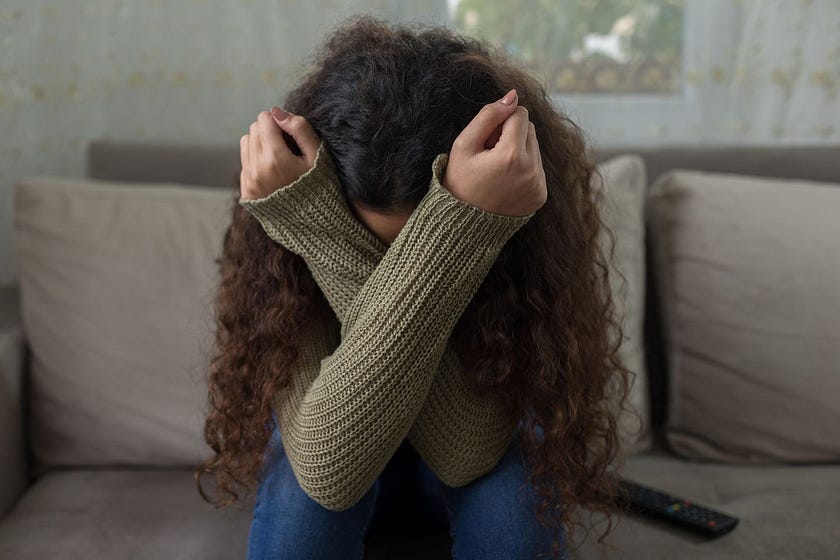
The question that haunts so many relationships…
“Is my spouse (or partner) cheating?” Few questions shake a relationship as profoundly as this one. Doubt creeps in slowly. Anything and everything starts to raise more questions. An unanswered text. A shift in routine. A sudden guard over a phone. Suddenly, you’re searching late at night for:
- Signs of infidelity
- Red flags of a cheating spouse, boyfriend, or girlfriend
- How to tell if someone is cheating
These aren’t idle curiosities. They’re the cries of a heart sensing betrayal. And left unaddressed, suspicion doesn’t fade — it grows.
Why Suspecting Infidelity Hurts So Deeply
Suspicion of cheating is its own form of torment. It creates a state of emotional limbo where you feel neither secure in your relationship nor free to move forward. You may:
- Replay conversations endlessly, dissecting every word.
- Check devices, locations, or social media in search of clues.
- Question your own instincts: Am I being paranoid, or is my partner really cheating?
Psychologists call this betrayal trauma — a profound injury to trust. Studies show it can produce symptoms similar to PTSD: hypervigilance, flashbacks, and anxiety (Freyd, 1996; Gordon & Baucom, 2009). Left unresolved, it not only damages the relationship but also your sense of self.
Signs of Infidelity: How to Tell if Someone Is Cheating
There is no single “smoking gun” that proves cheating. But when multiple patterns overlap, they may signal something is deeply wrong. Here are the most common red flags of a cheating spouse, boyfriend, or girlfriend:
- Sudden communication shifts — They become evasive, defensive, or avoid meaningful conversations (Glass & Wright, 1992).
- Changes in intimacy — A drop in sexual closeness, or suddenly new levels of passion that feel uncharacteristic (Blow & Hartnett, 2005).
- Secrecy with technology — Password changes, deleted texts, or phone guarding.
- Unexplained schedule changes — More late nights, “work emergencies,” or vague outings.
- Emotional distance — Less engagement in your daily life, fewer affectionate gestures.
- Critical attitude — Picking fights or pointing out your flaws more than usual.
Remember: one or two of these behaviors may have innocent explanations. But when several align, it’s important to take them seriously.
The Solution: What to Do If You Suspect Your Spouse or Partner Is Cheating
When the thought “Is my partner cheating?” won’t let you go, here are steps to regain clarity and control:
- Pause before reacting. Write down the signs you’ve noticed. This creates perspective and prevents impulsive accusations.
- Communicate directly. Approach with curiosity, not confrontation: “I’ve felt distance between us, and I need to understand what’s going on.”
- Set boundaries. If dishonesty continues, outline what you need: transparency, accountability, and counseling.
- Seek support. Talk with a trusted friend, mentor, or therapist to process your emotions.
- Consider couples therapy. Whether or not cheating has occurred, therapy can clarify the truth and help you decide whether the relationship can heal.
Clarity may be painful, but it is also liberating. Living in suspicion erodes trust and intimacy; uncovering the truth, whatever it may be, is the first step toward healing.
FAQs About Infidelity and Cheating
How can you tell if someone is cheating?
Cheating often reveals itself through patterns, not just one isolated action. Watch for secrecy with devices, sudden changes in intimacy, unexplained absences, and emotional withdrawal. When several of these signs of infidelity overlap, it’s time to address your concerns.
What are the biggest red flags of a cheating spouse, boyfriend, or girlfriend?
The most concerning red flags include defensiveness when asked simple questions, guarding phones or passwords, loss of emotional connection, and sudden criticism of the relationship. These behaviors often mask guilt or deflection.
Do cheaters act differently when confronted?
Yes. Some cheaters double down with denial or gaslighting (“You’re paranoid”). Others become overly defensive, angry, or turn the blame on you. Research and studies show that defensiveness and minimization are common strategies when deception is threatened (Gordon & Baucom, 2009).
Can you rebuild trust after infidelity?
Yes, but it requires complete honesty, remorse, and sustained change. Couples therapy can help partners process betrayal, rebuild communication, and gradually re-establish emotional safety (Blow & Hartnett, 2005). Healing is possible, though not easy or guaranteed.
Is it better to know the truth or stay in denial?
Although the truth is painful, living in ongoing suspicion damages your mental health and the relationship itself. Clarity — whether it confirms or rules out cheating, creates the foundation for healing and moving forward.
References
- Blow, A. J., & Hartnett, K. (2005). Infidelity in committed relationships II: A substantive review. Journal of Marital and Family Therapy, 31(2), 217–233.
- Freyd, J. J. (1996). Betrayal trauma: The logic of forgetting childhood abuse. Harvard University Press.
- Glass, S. P., & Wright, T. L. (1992). Justifications for extramarital relationships: The association between attitudes, behaviors, and gender. Journal of Sex Research, 29(3), 361–387.
- Gordon, K. C., & Baucom, D. H. (2009). Betrayal trauma: The impact of infidelity on couples. Journal of Couple & Relationship Therapy, 8(3), 197–217.
Recovering From Infidelity
If you have experienced infidelity-induced trauma caused by the emotional and sexual betrayal of your spouse, there is hope! If you are a child affected by parental infidelity, there is hope! If you are a spouse who has betrayed trust, love, and fidelity, there is hope! We recommend you get support through professional counseling and therapy, as well as through groups dedicated to supporting you through this traumatic journey. You are not alone, and recovery and healing are possible!
Share Your Story
The CHADIE Foundation shares personal stories of spouses and children impacted by infidelity and affairs. If you have a story you would like to share and have published, please use the contact information below to share your story with The CHADIE Foundation. Our mission is to help educate everyone about the damage infidelity, affairs, and adultery cause families and how to minimize the impact.
About CHADIE Foundation
The CHADIE Foundation (Children are Harmed by Adultery, Divorce, Infidelity, and related Emotional trauma) helps spouses, partners, and children impacted by adultery, affairs, and infidelity. To learn more about CHADIE and how you can help, please email us at support@chadie.org or visit us at CHADIE.org.
 The CHADIE Foundation